Amortization Calculator
See exactly how your loan is paid down — with a year-by-year breakdown of principal, interest, and remaining balance. Drag the sliders and every number updates instantly.
Amortization schedule (yearly)
This table summarizes each year of your loan — how much principal and interest you pay, and your balance at year-end. In the early years most of each payment is interest; the principal portion grows as the balance shrinks.
How amortization works
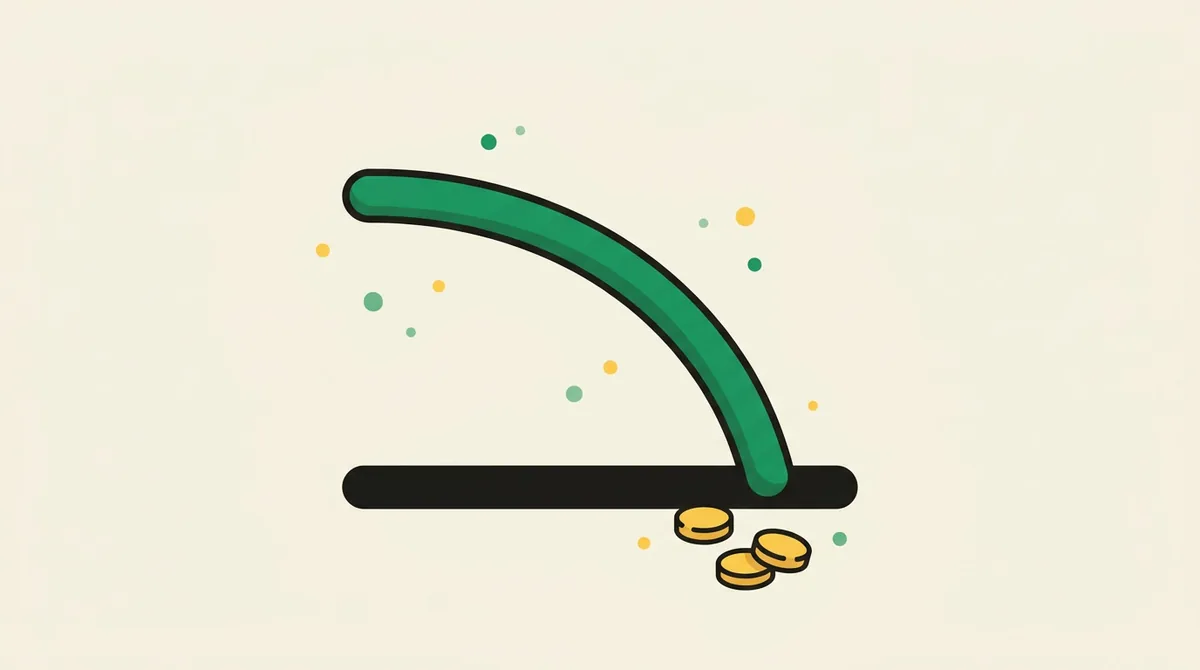
Amortization is the process of paying off a loan with equal periodic payments. Each payment is split between interest (calculated on the current balance) and principal (the rest). Because the balance falls over time, the interest portion shrinks and the principal portion grows with every payment.
Why early payments are mostly interest
At the start of a loan the balance is at its highest, so the monthly interest charge is large and little of your payment goes to principal. This is why making extra principal payments early in a loan has an outsized effect on total interest.
Tip: One extra payment per year on a 30-year mortgage can cut roughly four to six years off the loan and save tens of thousands in interest.
Using the schedule
Lenders provide an amortization schedule so you can see your payoff trajectory and the interest you'll pay over the life of the loan. Comparing schedules at different rates or terms is one of the clearest ways to understand the true cost of borrowing.