Debt Payoff Calculator
Add your debts and see avalanche vs snowball side by side — which method gets you out of debt faster, and which saves you more money.
Debt avalanche vs debt snowball — which should you choose?
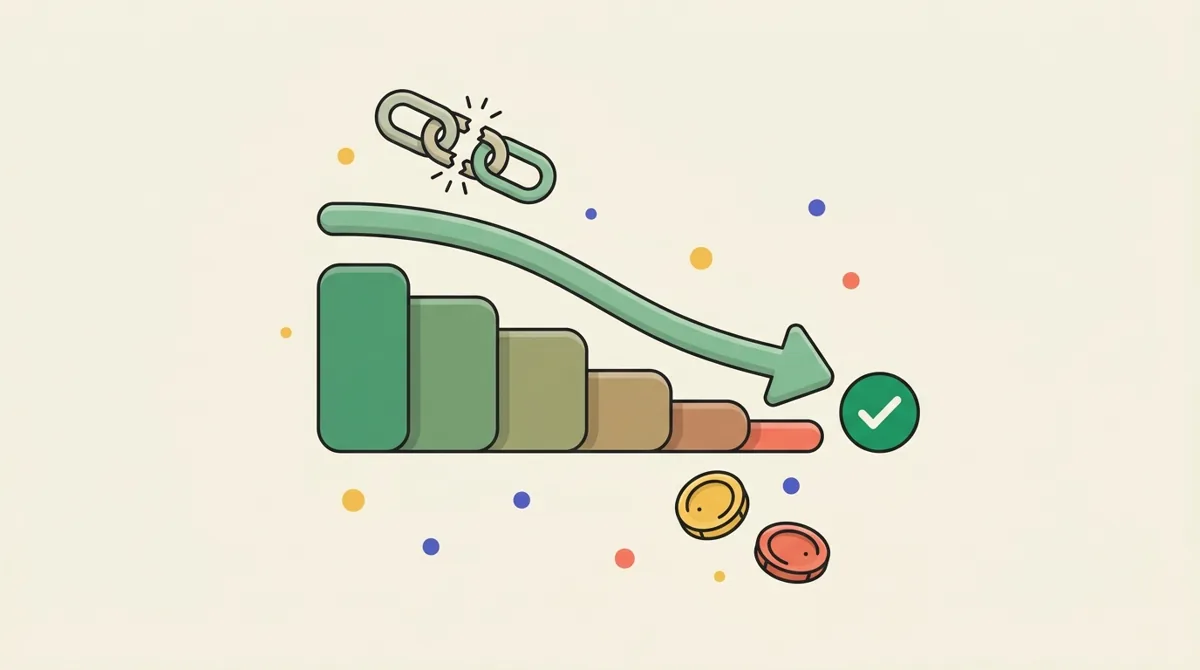
Both methods use the same core mechanic: pay minimums on all debts, then throw every extra dollar at one target debt. The difference is which debt you target first — and that choice has real consequences for your wallet and your motivation.
Debt avalanche — pay the most interest first
The avalanche method targets your highest-interest debt first, regardless of balance. This is mathematically optimal — you eliminate the most expensive debt first, which stops interest from compounding at the highest rate. Over time this saves the most money and usually pays off debt faster too.
Best for: people who are disciplined and motivated by saving maximum money. The downside is it can take a long time to eliminate the first debt if it has a large balance, which some people find discouraging.
Debt snowball — pay the smallest balance first
The snowball method targets your smallest balance first, ignoring interest rates entirely. You get quick wins — debts disappear faster — which builds psychological momentum. Dave Ramsey popularized this approach, and behavioral research supports the motivational benefits of early wins.
Best for: people who need encouragement and quick wins to stay motivated. The tradeoff is paying somewhat more in total interest compared to avalanche.
In most cases the interest difference between methods is modest — often just a few hundred dollars on a typical debt load. If the snowball method keeps you motivated enough to actually stick with the plan, the psychological benefit outweighs the mathematical difference. The best method is the one you'll actually follow through on.
How the rollover effect works
Both methods use "rollover" payments — the key to why they're so effective. When a debt is paid off, you don't reduce your monthly budget. Instead, you roll that freed-up payment onto the next target debt, creating a growing "snowball" (or avalanche) of cash attacking each successive debt. This accelerating effect is what makes these methods dramatically faster than just making minimum payments.
How much extra should you pay?
Even small extra payments have an outsized effect. An extra $100/month on a $10,000 credit card balance at 20% APR can cut years off your payoff time and save thousands in interest. Use the extra payment field above to see exactly how much each additional dollar shortens your debt-free date.